
Being part of the information ecosystem means fighting the social platform algorithms regularly. Creating content is one fight, but distributing it to your community is another. Actively participating on the Internet for a few years means your algorithm has some assumptions over what you’re posting and how much of that gets shown to others.
Through career changes and hobbies, I decided to stick with my main accounts. I didn’t want separate accounts for projects because I didn’t want the added hassle of a new audience to build… until I got a puppy, and it took over my feed. It was time to join dog instagram.
Lenu The Poodle’s Instagram account launched to no fanfare. With zero followers, we posted anyway. We followed our local groomer, our trainer, and a handful of neighborhood dogs we knew. Then the recommendations started trickling in. Lil Mr. Asher, Peri Winkle Poodle, Mr. Fritz, Stanley Potatochip. Lenu went from no friends to 2,500 friends almost overnight with zero strategy except to be friendly.
Pet accounts are, more often than not, in the “voice” of the pet. They show day-to-day activities, like new toys or long walks or favorite snackies. These accounts have little to do with the reality of people running them, and everything to do with an escape fantasy. There’s a very early Internet feel of absurdity for the sake of joy that’s hard to resist.
Dog Instagram is the kindest place on the Internet, and here are some lessons I learned from accounts that focus on community over revenue.
Making a new account reset my feeds
I’d long been suspicious that my main Instagram account, which passively grew to 10,000 followers over 10 years, was filled with people who ditched the platform. I stopped seeing much of what I wanted to see, and instead Instagram filled my feed with random shops and influencers. Lenu’s account came with no baggage, and after we posted a few carousels, it caught on quickly. The recommendations carried no weight from my main account, instead highlighting only other dogs and pet service accounts.
Those pet accounts sometimes leak to my main account, usually when Lenu has reshared a post or when a pet we engage with regularly has a viral moment. When that happens, I do not engage for fear of mixing the feeds. In fact, it’s encouraged me to go through my follows and followers and remove dormant accounts or people who don’t match my interests any longer.
I’m not worried about having a smaller follower number. I’m more interested in deeper engagement. Starting from zero has given me a freedom to rebuild a feed that I want to see, instead of one the algorithm cobbles together from ten years of my personal history and growth.
Engagement groups are alive and well
Pet accounts work together in engagement groups with different focuses. In private chats, the accounts ask for comments, likes or shares. They might do a “five for five,” or five likes on your account for five likes on my account. They might tag each other in contest entries. Some of these engagement groups request that you follow every account in the group, but many are flexible: like or comment when you can, follow when you can. But within those chats there is also comradery, laughter and pet talk. It’s a way to find new friendly accounts, pet products you might like, or new places to travel.
There is rarely a post I do not want to support (for us, that might be an AI image of a pet), but the groups are understanding of that, and your participation is voluntary. It means that everything you post will have at least a handful of likes, shares or comments for you to engage with.
Gifts are a normal thing – and people want to sponsor your pet
Packages sometimes just arrive at my door addressed to Lenu. The closest of Lenu’s pet pals send her stickers, treats and other gifts. It’s not uncommon to be part of another pet’s “fan club” and wear their pin or swap clothing or puzzle toys.
But we also receive gifts from pet companies. After posting about a specific toy that helped her overcome separation anxiety, a box arrived in the mail with a backup toy. Once, a crate of champagne celebrated the launch of a dog champagne toy. A snack company sent new flavors of their top selling treats. We are invited to try out hotel pet packages and be a VIP at American Kennel Club events (where Lenu “interviewed” the dog athletes). The pet services business is big money, and using pet influencers is a great way to get your items in front of other pet parents. I frequently ask for recommendations for harnesses, the best bowls and other items to make my life easier, and this group has tried them all. There are even influencer companies who specialize in building relationships with pet creators.
I don’t doubt that my own profile has something to do with some of the gifts Lenu receives, but her friends receive sponsorships from Chewy, partnerships with Sunbean, and other pet companies, while having as little as 2,000 followers. The trendsetter influencer sphere is alive and well on pet Instagram.
Pets commit to the bit
The voice and tone of a pet account is not the tone you’d take in a human account. It’s sassy and lighthearted. It’s fun. Where I feel like I need to keep a slightly professional tone on my human account, because I’m a community leader who shares information, Lenu talks smack about humans, makes big jokes, and almost never takes anything seriously. Even when posting about a hot topic, emojis and tongue-in-cheek tone can work.
The freedom to post like a court jester is a breath of fresh air after having the same voice for a dozen years. It gives me a chance to be creative and focus on fun — and Lenu is still a trusted community messenger among her followers.
Events are an important part of building community
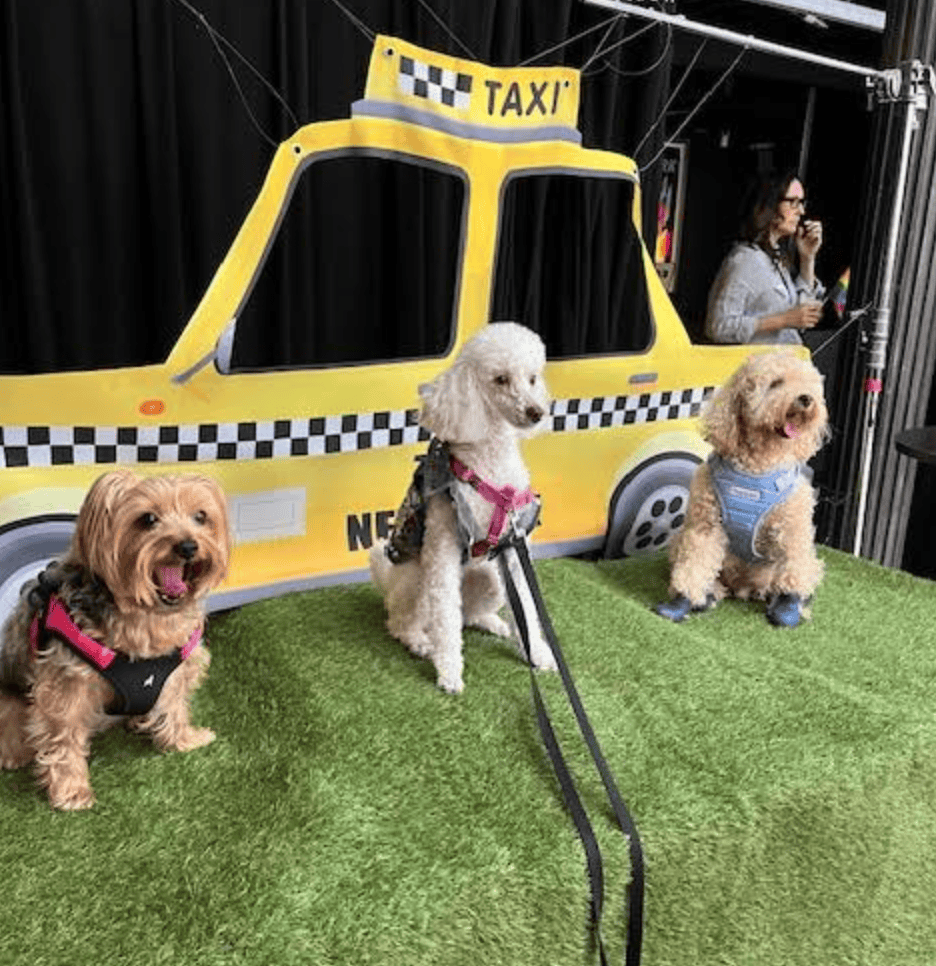
Everyone thinks I’m crazy when I tell them I have a dog birthday party to go to, but the events are a blast, and I wonder why more human creators don’t adopt the model. Like parenting groups, pet groups allow you to make friends with a new person with a shared bond – the dog. No matter how shy or awkward you are, your dog is there, and it gets the conversation going.
Lenu has been invited to birthday parties complete with gift openings and cakes, new shop openings and yappy hours. We celebrated Pawlentine’s Day at a dog bakery. She’s a card-carrying member of Frankie’s Summer Club and knows the Pupadelphia menu at Square 1682 by heart because she has poodle brunches there.
Of course, these are silly things. They’re lighthearted and fully designed for a little fun, away from work and drama and news. The escapism is deep, but at the end of the day, they also create community.
Positivity is a harder, but better way to build community
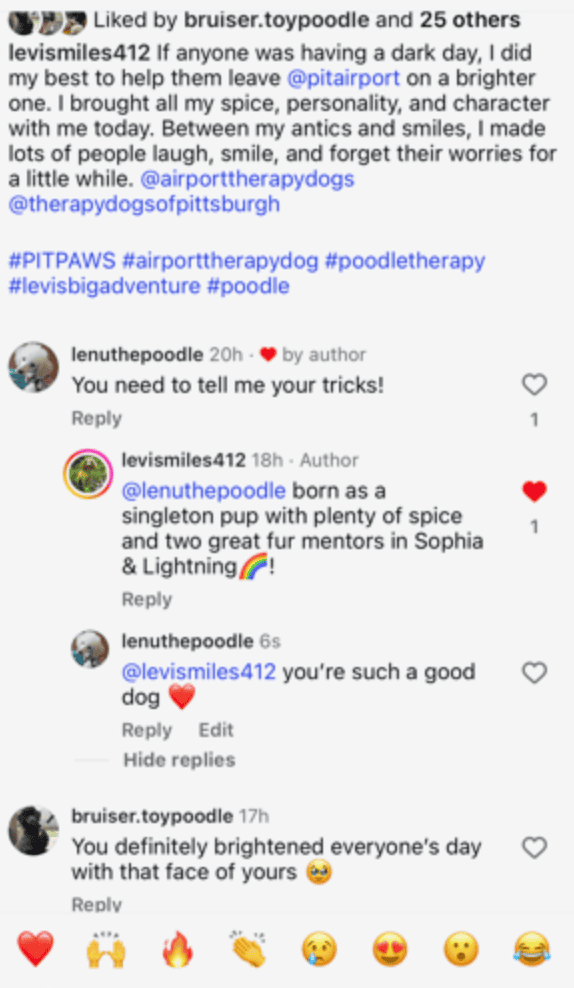
So much of online engagement is geared toward anger. Clickbait and viral hate posts are quick, cheap ways to encourage a reply, which then propels content in the feeds of even more people. We don’t often reply or comment when something is enjoyable. We might watch, maybe share, but we’re not moved to react as quickly as anger moves us. The dogs don’t create or engage with rage-baiting posts.
Kindness is one of the unspoken tenants of dog Instagram. When a friend posts their new carrot toy, you say you like it. When a dog explains their nap positions, you tell him to have a great nap. You comment, comment, comment on positivity. And soon, your feed is filled with just positivity. Birthdays and “gotcha days.” Beautiful hikes and walks around cities. New puppies and beautiful homages to those who left us. Rage baiting is rare on the dog internet, and it’s become a place where I go to stay informed, but cool down. My anxiety and temper both subside after a few minutes of Bruiser practicing agility, Dio showcasing beautiful Canada on walks, or smiley little Kevin posing with his family.
Pet owners with accounts commit to the bit, and rarely does a dog move in hate and anger, but especially not among trusted besties.